How Erosion Control Mat Systems Prevent Soil Loss and Restore Vegetation
Release time:2026-02-05 Click:14
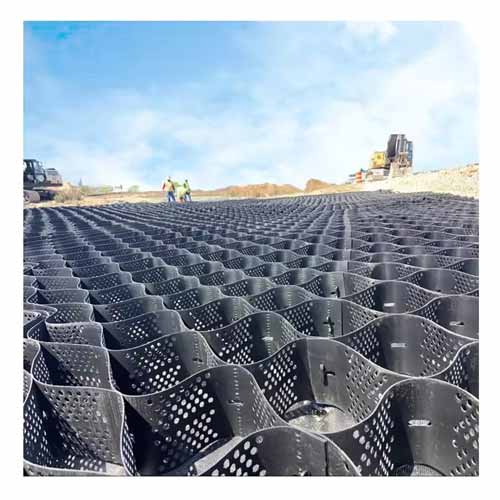
Erosion control mat systems provide essential slope protection and vegetation establishment support in construction, mining, and environmental restoration projects where soil erosion threatens project success and environmental quality. These matting systems stabilize soil surfaces while creating microenvironments that support plant germination and growth, establishing vegetation that provides long-term erosion protection once established. The combination of immediate soil stabilization and vegetation support makes erosion control mats more effective and sustainable than temporary measures alone. This effectiveness has made erosion control mat systems standard practice for slope protection in road construction, pipeline corridors, and land development projects worldwide.
The design of erosion control mat systems addresses specific site conditions including slope steepness, soil types, and hydrological factors that influence erosion risk and vegetation establishment. Slope gradient and length determine the hydraulic forces that mats must resist, with steeper and longer slopes requiring more robust systems. Soil conditions including texture, fertility, and drainage characteristics affect both erosion susceptibility and the potential for successful vegetation establishment. Climate factors including rainfall intensity and temperature patterns influence the performance requirements for mat systems and the selection of appropriate seed mixtures. Professional engineering ensures that erosion control mat systems are properly specified for specific site conditions.
Material selection for erosion control mat systems significantly impacts both performance and environmental impact in restoration applications. Synthetic mats made from polypropylene or polyester provide durable erosion control for demanding applications, with UV stabilization that extends service life in exposed applications. Natural fiber mats including coir, straw, and jute provide biodegradable options that decompose over time while supporting vegetation establishment. Composite systems combining natural and synthetic materials offer combinations of immediate performance and long-term sustainability. The appropriate material selection balances erosion control requirements with environmental and sustainability objectives for specific projects.
Installation and maintenance practices for erosion control mat systems significantly impact vegetation establishment and long-term erosion control performance. Proper ground preparation including soil amendment and grading creates suitable conditions for both mat installation and vegetation growth. Secure anchoring using appropriate stakes and staples prevents mat displacement that could expose soil to erosion. Seeding before or after mat installation establishes vegetation that provides long-term erosion protection once roots develop. Monitoring and maintenance including supplemental seeding and vegetation care ensure successful establishment of protective vegetation cover. Understanding proper installation and maintenance ensures that erosion control mat systems provide effective, sustainable erosion protection.
Previous article:High Tensile Strength Geogrid Soil Erosion Control
Next article:Reinforcing Slopes with Geogrid Retaining Wall
Hot products
Mobile: +86 15097722953
Email:metalproducts2021@163.com
Email:1755383270@qq.com