Stabilizing Soil Foundations with Geogrid Triaxial
Release time:2026-03-11 Click:4
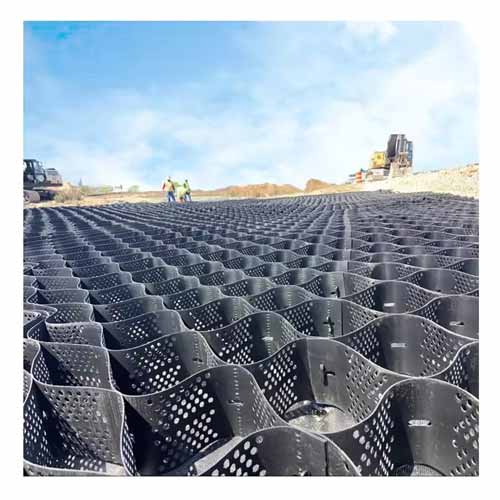
The stability of roadways, parking lots, and building pads relies heavily on the strength of the subgrade soil. Geogrid triaxial is a geosynthetic product specifically engineered to reinforce and stabilize granular fill layers. Unlike traditional biaxial grids that have a square pattern, triaxial grids feature a triangular structure. This geometric shape provides a more uniform distribution of load, effectively locking aggregate in place and increasing the bearing capacity of the soil.
The unique triangular geometry of the grid is its defining characteristic. Triangles are inherently stable shapes that resist distortion under stress. When aggregate is placed over geogrid triaxial, the particles interlock within the triangular apertures. This confinement mechanism prevents the aggregate from moving laterally under loads from vehicles or machinery, thereby maintaining the integrity of the road base and preventing the formation of ruts and potholes.
This technology is particularly effective in areas with soft or unstable subgrade soils. In situations where the native soil is weak, importing large amounts of high-quality aggregate for a road base can be expensive. By incorporating geogrid triaxial into the design, engineers can reduce the required thickness of the aggregate layer. The grid distributes the load over a wider area, reducing the vertical pressure on the weak subgrade and preventing it from mixing with the road base.
Installation efficiency is a major benefit of this material. The grid arrives on-site in rolls that are lightweight and easy to handle. Construction crews can unroll geogrid triaxial quickly across the prepared subgrade, overlapping sections as required. This speed of installation accelerates project timelines compared to other soil stabilization methods, such as chemical stabilization or deep excavation, resulting in significant labor cost savings.
Environmental and economic advantages go hand in hand. By reducing the required depth of aggregate fill, the use of geogrid triaxial lowers the demand for quarry materials and reduces the number of trucks required to haul them. This lowers the carbon footprint of the construction project. Additionally, the extended lifespan of the pavement structure means fewer repairs and resurfacing projects are needed in the future, saving money over the lifecycle of the infrastructure.
In summary, the application of advanced geometry to soil mechanics has yielded a powerful tool for civil engineers. Geogrid triaxial transforms weak, unstable ground into a solid foundation capable of supporting heavy infrastructure. Its ability to confine aggregate and distribute loads makes it a vital component in modern road construction and soil stabilization projects.
Previous article:Polypropylene (PP) Geogrid: Anti-Aging
Next article:Erosion Control with Geobag Technology
Hot products
Mobile: +86 15097722953
Email:metalproducts2021@163.com
Email:1755383270@qq.com