Soil Stabilization Techniques Using Erosion Control Mat
Release time:2026-01-20 Click:15
The erosion control mat is a biotechnical engineering solution designed to protect soil surfaces from the erosive forces of wind and water. These mats, typically made from organic materials (straw, coconut fiber, wood excelsior) or synthetic polymers (polypropylene, polyester), are rolled out over disturbed soil to provide immediate armor against rainfall and runoff. The primary function is to hold the soil in place while vegetation establishes itself. By reducing the velocity of surface water, the mat prevents the detachment and transport of soil particles, which is the first step in the erosion process. This is crucial in construction sites, road embankments, and riverbanks where bare soil is vulnerable to storm events.
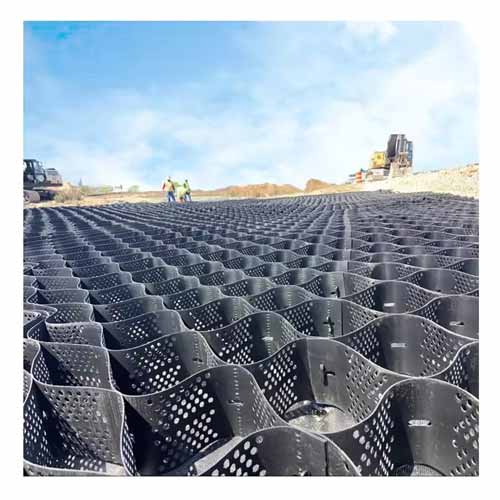
Material selection for erosion control mat depends on the specific environmental conditions and the desired longevity. Biodegradable mats, such as those made from straw or coconut, are ideal for temporary applications or environmentally sensitive areas where plastic debris is a concern. These mats naturally decompose over time, adding organic matter to the soil and improving its fertility. For permanent solutions or high-flow channels, synthetic turf reinforcement mats (TRMs) are used. These are composed of a 3D polymer net structure that allows for high-performance vegetation growth. The roots of the plants grow through the mat, creating a composite system where the mat provides immediate protection and the roots provide long-term mechanical reinforcement.
Installation of the erosion control mat is a critical step in its effectiveness. The soil surface must be properly graded and smoothed to prevent the mat from bridging over depressions, which can trap air and water, leading to seed washout. The mat is usually secured with biodegradable stakes or wire staples to prevent wind displacement before vegetation takes hold. In steep slopes, trench anchoring or overlapping seams are required to ensure stability. For hydraulic applications, such as spillways or ditch linings, the mat may be pre-vegetated (grown in a nursery) and rolled out as a "living carpet," providing instant green cover and eliminating the germination period required for seeds.
Beyond erosion control, the erosion control mat contributes to ecological restoration. It creates a micro-climate that retains moisture and moderates soil temperature, which significantly increases seed germination rates and plant survival, especially in arid or semi-arid regions. The mats also trap sediment and nutrients, preventing them from washing into waterways and causing eutrophication. In wildfire-prone areas, certain types of erosion control mats can act as a thermal barrier, protecting the soil's organic layer from the intense heat of a fire, which allows for faster post-fire recovery. As climate change increases the frequency of extreme weather events, the use of erosion control mats is becoming a standard practice in sustainable land management and civil engineering projects worldwide.
Previous article:High Tensile Strength Extruded Geogrid for Slope Protection
Next article:Polypropylene (PP) Geogrid for Road Construction
Hot products
Mobile: +86 15097722953
Email:metalproducts2021@163.com
Email:1755383270@qq.com