The Hydrological Function of Drainage Board in Landscaping and Civil Engineering Projects
Release time:2026-01-19 Click:25
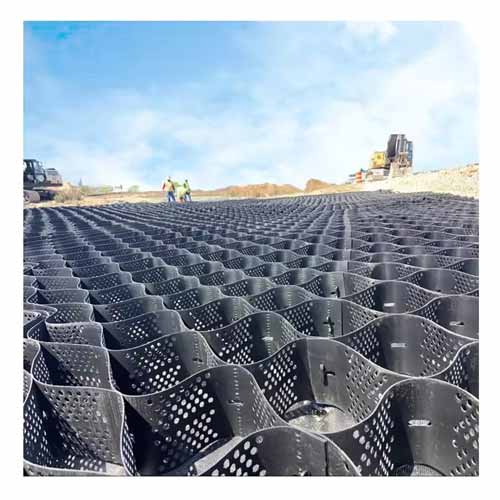
Drainage board serves as a critical hydrological management tool in landscaping, green roof installations, and civil engineering projects, directing excess water away from foundations, plant roots, and structural elements while promoting healthy soil aeration and root development. Engineered with dimpled or corrugated plastic sheets made from HDPE or PP (polypropylene), these boards create void spaces that facilitate rapid water percolation and lateral flow, preventing waterlogging and soil saturation that can lead to foundation damage or plant mortality. Their lightweight, flexible nature allows for easy installation over sloped terrain or around curved structures, making them ideal for retaining walls, planter boxes, and below-grade waterproofing applications.
Material formulation and geotechnical compatibility drive the performance envelope of drainage board systems. UV-stabilized polymers ensure long-term durability in exposed environments, while high compressive strength ratings (up to 500 kPa) allow installation beneath paved surfaces or heavy vegetation without collapse. Permeable geotextile wraps bonded to one side filter sediment and prevent clogging, extending service life in high-silt-content soils. In green infrastructure projects, drainage boards integrated with irrigation sensors or moisture probes enable real-time monitoring and adaptive watering schedules, optimizing water conservation and plant health.
Maintenance simplicity and sustainability initiatives define the long-term value of drainage board installations. No routine maintenance is required, with self-cleaning properties preventing even in clay-rich or organic soils. In retrofitting scenarios, modular panel designs allow for targeted replacement without disturbing surrounding landscape features. As cities face increasing rainfall intensity due to climate change, drainage board continues to serve as the intelligent interface between built environment and natural hydrology—delivering resilience, efficiency, and ecological balance through engineered porosity and sustainable material science.
Previous article:Geomembrane Applications in Environmental Containment and Water Management
Next article:Uniaxial Geogrid: Enhances Load Distribution & Reduces Settlement
Hot products
Mobile: +86 15097722953
Email:metalproducts2021@163.com
Email:1755383270@qq.com